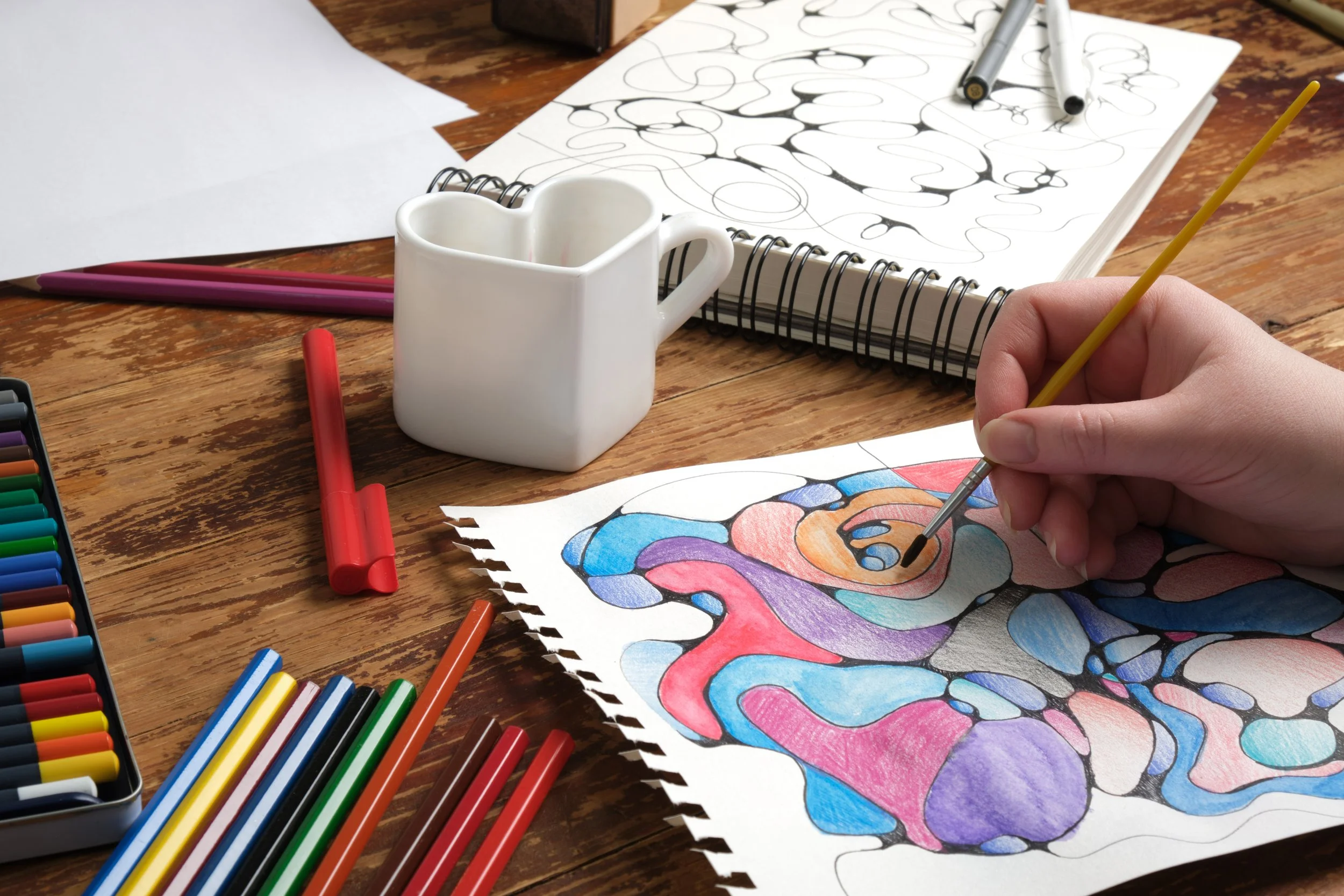
Play Therapy & Art Therapy for Children & Teens in Tampa
Some children do not open up through words alone

Many people picture therapy as sitting in a chair and answering questions about feelings. For some children and teens, that can be helpful. But for many, especially younger children, neurodivergent kids, or those who have been holding a lot for a long time, talking directly is not the easiest or most natural place to begin.
That does not mean something is wrong. It usually means they need a different way in.
Play therapy, art therapy, sand tray, movement, and other creative approaches can open that door. Through these forms of expression, children and teens often begin to process emotions, build coping skills, and feel more understood without having to explain everything before they are ready.
Why this approach can help
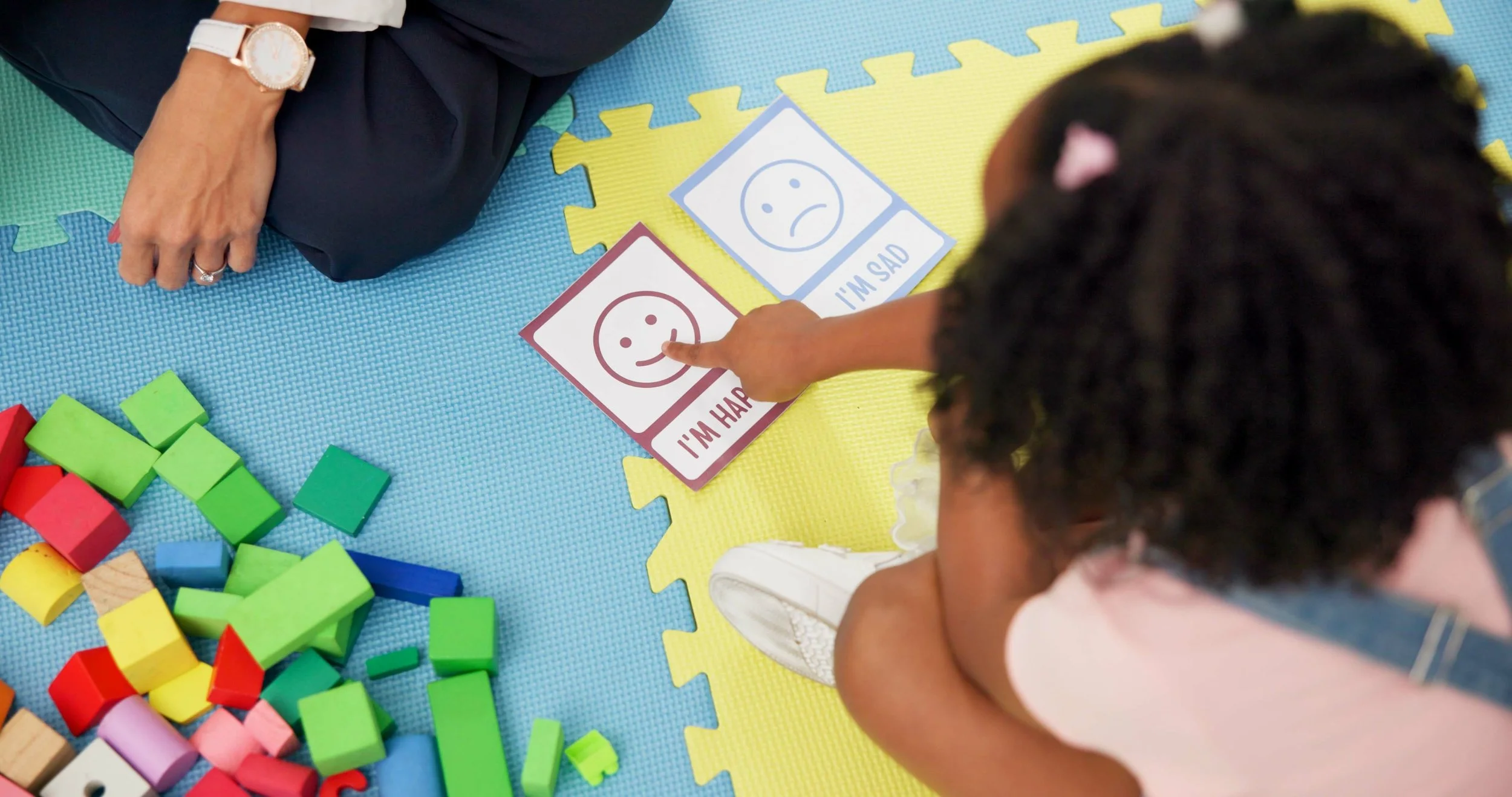
Children naturally communicate through play, creativity, movement, and expression. That is often how they make sense of what feels confusing, stressful, exciting, painful, or hard to name. When therapy meets them there, rather than asking them to respond in a more adult way before they are ready, it often creates more room for trust, regulation, and connection.
It's especially relevant for children and teens who:
feel anxious, overwhelmed, or shut down when asked directly how they feel
have ADHD, autism, or other neurodivergent experiences
have been through something difficult and need a gentler entry point
have tried more traditional therapy and did not connect with it
do better when they can move, create, build, or engage while they process
What sessions actually look like
Sessions are flexible, relational, and low-pressure. A child or teen does not need to sit perfectly still, follow a script, or come in ready to talk. There is room to move, explore, create, use materials, and settle into the space in the way that feels most comfortable and supportive.
The approaches I use may include play, art, sand tray, somatic work, movement, and other creative or experiential tools, depending on what your child needs and what helps them open up. This is never one-size-fits-all. The goal is to find the pathways that help your child’s nervous system feel safe enough for meaningful therapeutic work to begin.
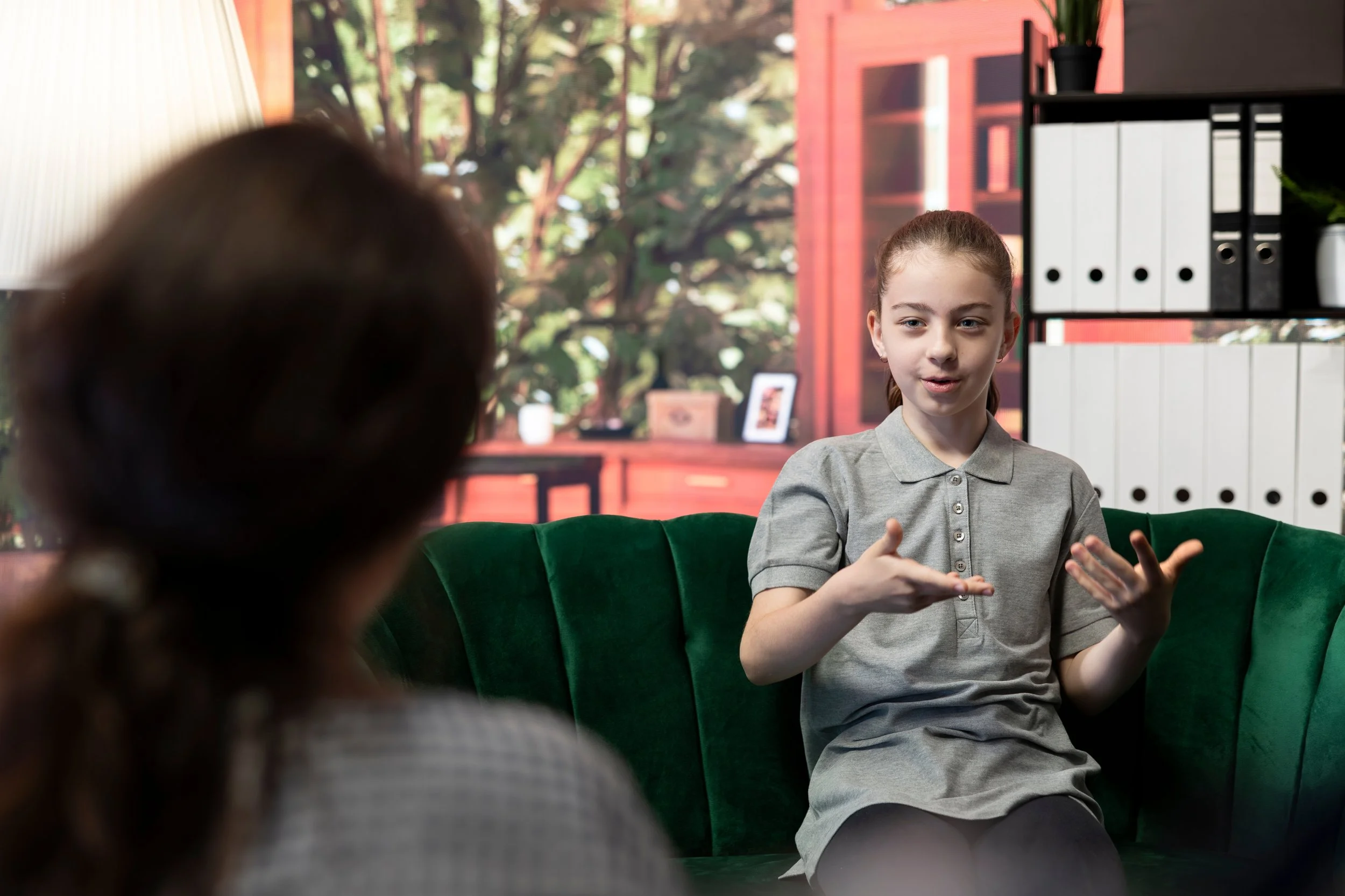
This part of my practice is centered on children and teens. It reflects the heart of how I work with young people: meeting them where they are and using approaches that honor their developmental needs, communication style, and nervous system.
Parents and families are part of the process

Parents and caregivers matter deeply in this work. As therapy progresses, there is often space for parent sessions and ongoing support, not to give a report card on your child, but to help you better understand what may be happening underneath the surface.
When parents begin to see behavior through the lens of nervous system needs, emotional overwhelm, developmental stage, or neurodivergent processing, things often begin to shift at home too. Supporting the child and supporting the family together can make the work more effective, more connected, and more sustainable.

Let's talk about your child.
Schedule a no cost consultation to share what's going on and find out if this would be a helpful next step.